Overpronation can make uneven trails feel less predictable, especially when fatigue sets in. The right shoes can improve confidence by combining a secure fit, dependable traction, and cushioning that supports your preferred running style.
This roundup compares 10 trail models from New Balance, Brooks, Saucony, and ASICS, with options for different feet, distances, surfaces, and budgets.
Best 10 Trail Running Shoes for Overpronation Picks for 2026
Plush Stability Pick
New Balance Fresh Foam X Hierro V9

- Dual-density foam adds cushioning and a firmer stabilizing base
- Vibram Megagrip outsole with deep 6mm lugs
- Protective, breathable upper for rugged trails
Best For: Maximum-cushion trail running on uneven terrain
Adaptive Trail Control

- Trail Adapt System supports stability on uneven terrain
- DNA LOFT v3 offers soft, responsive cushioning
- Grippy outsole and protective upper for mountain trails
Best For: Adaptive stability across rugged wet and dry trails
Grip-Focused Performer

- Full-coverage Vibram MegaGrip outsole
- PWRRUN foam delivers moderate cushioning
- Toe wrap and reinforced mesh add trail protection
Best For: Traction-focused trail running and hiking
Women’s Cushioned Trail Shield
New Balance Women’s Fresh Foam X Hierro V9

- Dual-density foam balances plushness and stability
- Vibram Megagrip outsole for wet and dry trails
- Breathable upper with debris and toe protection
Best For: Cushioned women’s trail running on technical terrain
Balanced Trail Protection
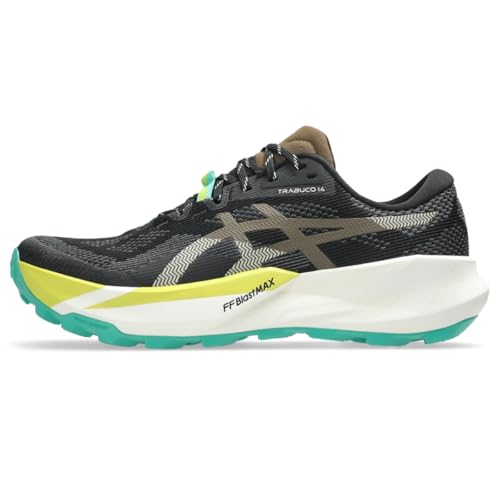
- Responsive FF BLAST MAX cushioning
- Flexible rock protection plate
- ASICSGRIP traction for varied terrain
Best For: Cushioned trail runs on rugged, varied surfaces
Everyday Trail Value
Saucony Women's Excursion TR16

- Balanced VERSARUN cushioning
- Grippy carbon-rubber lugs
- Lightweight, flexible mesh design
Best For: Everyday trail running and outdoor use
Maximum Cushioned Mileage

- Maximum FF BLAST PLUS cushioning
- GUIDESOLE design for easier movement
- ASICSGRIP traction on varied terrain
Best For: Longer trail efforts prioritizing cushioning
Maximum-Cushion Trail Comfort

- Plush DNA LOFT v3 cushioning
- 3mm-lug TrailTack Green outsole
- Secure, adjustable heel and midfoot fit
Best For: Comfort-focused trail runners and hikers
Value-Focused Trail Traction

- Carbon-rubber lugs for firm footing
- Moderate VERSARUN cushioning
- Supportive mesh upper with debris protection
Best For: Everyday trail running and hiking
Rock-Ready Responsive Cushioning

- Responsive FF BLAST MAX cushioning
- Flexible rock protection plate
- ASICSGRIP outsole for varied terrain
Best For: Rugged-trail runners wanting protection and energy return
Plush Stability Pick – New Balance Fresh Foam X Hierro V9
For runners comparing trail running shoes for overpronation, the men’s Fresh Foam X Hierro V9 stands out for its dual-density midsole, with a softer upper layer and firmer base intended to add stability on uneven trails. Its maximum cushioning and Vibram Megagrip outsole suit long, rugged outings.
Best For: Trail runners who want maximum cushioning, added underfoot stability, and dependable wet- and dry-surface traction.
Pros:
- Dual-density Fresh Foam X combines plush cushioning with a firmer stabilizing layer.
- Vibram Megagrip outsole uses deeper 6mm lugs for traction on wet and dry terrain.
- Toe protection, a breathable knit upper, and a gusseted tongue help handle rocky, debris-filled trails.
Cons:
- The listed pronation correction is neutral, so it is not a dedicated stability shoe for overpronation.
- Maximum cushioning and a listed weight of 1 pound may feel less nimble than lighter trail options.
The Hierro V9 offers stability-oriented construction without sacrificing cushioning, but runners needing formal motion-control support should compare its neutral platform with their preferred orthotics or stability design.
Adaptive Trail Control – Brooks Cascadia 19
Brooks Women’s Cascadia 19 Mountain Trail Running Shoe - Coconut/Misty Blue/Ebony - 9.5 Medium
Check Price On AmazonAmong trail running shoes for overpronation, the women’s Brooks Cascadia 19 is a practical option for runners who prioritize a stable, adaptable ride rather than a dedicated corrective post. Its Trail Adapt System pairs a flexible rock shield with DNA LOFT v3 cushioning for changing mountain terrain.
Best For: Women’s trail runners seeking adaptable stability, moderate-to-high cushioning, and traction across wet and dry surfaces.
Pros:
- Trail Adapt System is designed to improve stability while adapting over uneven ground.
- DNA LOFT v3 cushioning provides a soft, responsive feel in the heel and forefoot.
- TrailTack Green outsole, reinforced toe cap, mudguard, and protective overlays support rugged use.
Cons:
- The shoe is listed with neutral pronation correction rather than dedicated overpronation control.
- It is not water resistant, according to the supplied specifications.
The Cascadia 19’s articulated rock shield and adaptive platform make it a strong stability-minded trail choice, though runners who need structured correction may want a more specialized model.
Grip-Focused Performer – Saucony Peregrine 16
For shoppers seeking trail running shoes for overpronation, the men’s Saucony Peregrine 16 provides a neutral platform with trail-ready protection and reliable grip. Its PWRRUN foam offers moderate cushioning, while the full-coverage Vibram MegaGrip outsole is built for varied terrain.
Best For: Trail runners who want moderate cushioning, strong outsole traction, and a protective shoe for running or hiking.
Pros:
- Full-coverage Vibram MegaGrip outsole is designed for durable traction across varied terrain.
- PWRRUN foam adds cushioning, comfort, and underfoot protection.
- Forefoot rubber toe wrap and reinforced high-abrasion mesh areas improve trail protection.
Cons:
- The listed pronation correction is neutral, with no dedicated overpronation support.
- It is not water resistant and provides moderate rather than maximum cushioning.
The Peregrine 16 is a sensible choice when traction and protection matter most, but runners managing overpronation may need to pair its neutral design with supportive insoles or consider a structured alternative.
Women’s Cushioned Trail Shield – New Balance Women’s Fresh Foam X Hierro V9
New Balance Women's Fresh Foam X Hierro V9 Trail Running Shoe, Calcium/Dark Juniper, 7.5 W
Check Price On AmazonThe women’s New Balance Fresh Foam X Hierro V9 is worth considering when comparing trail running shoes for overpronation and prioritizing cushioning with stability-oriented construction. Its dual-density foam, Vibram Megagrip outsole, and protective upper are suited to uneven, technical trails.
Best For: Women’s trail runners wanting maximum cushioning, a firmer foam base, and protection from rocks, roots, and trail debris.
Pros:
- Dual-density Fresh Foam X pairs plush comfort with a firmer layer for stability.
- Vibram Megagrip traction supports confident running in wet and dry conditions.
- Breathable knit construction, gusseted tongue, and reinforced toe cap help protect feet while limiting debris entry.
Cons:
- The supplied specifications list neutral pronation correction rather than dedicated overpronation control.
- Its maximum-cushion design and listed 1.3-pound weight may not appeal to runners seeking a minimal or highly lightweight feel.
The women’s Hierro V9 blends comfort, grip, and trail protection with a stability-minded midsole, but it should not be mistaken for a purpose-built motion-control shoe.
Balanced Trail Protection – ASICS Men's Trabuco 14
If you want trail running shoes for overpronation, the ASICS Trabuco 14 is worth considering for its protective, cushioned trail setup. It uses moderate-to-high FF BLAST MAX cushioning, a flexible rock protection plate, and ASICSGRIP rubber for varied terrain. However, its listed pronation correction is neutral, so it does not provide a dedicated overpronation correction feature.
Best For: Trail runners seeking cushioned, rock-protected footwear for varied terrain.
Pros:
- FF BLAST MAX foam combines soft cushioning with responsive energy return.
- Flexible rock protection plate helps shield feet from rugged surfaces.
- ASICSGRIP outsole is designed for grip across a variety of terrain.
- Engineered mesh upper and lace band support a breathable, secure fit.
Cons:
- Neutral pronation correction may not meet the needs of runners requiring structured overpronation support.
- Not water resistant.
The Trabuco 14 is a capable neutral trail shoe with a useful balance of cushioning, grip, and underfoot protection. Runners with overpronation should confirm that its neutral platform suits their gait and support needs.
Everyday Trail Value – Saucony Women's Excursion TR16
For shoppers comparing trail running shoes for overpronation, the Saucony Excursion TR16 offers a straightforward neutral option for regular trail use. Its VERSARUN cushioning supports balanced comfort, while carbon-rubber lugs provide traction. Because the listed pronation correction is neutral, it may be better suited to runners who do not need a dedicated stability system.
Best For: Women seeking lightweight, flexible trail shoes for everyday outdoor running.
Pros:
- VERSARUN cushioning is designed for balanced comfort.
- Carbon-rubber lugs provide traction across trail terrain.
- Mesh construction and a flexible, lightweight design support everyday wear.
- Slip-resistant detailing adds practical trail versatility.
Cons:
- Neutral pronation correction does not provide specialized overpronation support.
- Not water resistant.
The Excursion TR16 is a practical, flexible choice for moderate trail outings, especially when traction and everyday comfort matter. Runners needing corrective stability should look for a model specifically designed for overpronation.
Maximum Cushioned Mileage – ASICS Men's Trabuco MAX 5
The ASICS Trabuco MAX 5 is a strong option to compare among trail running shoes for overpronation if your priority is high cushioning and an easier-feeling stride. Maximum cushioning, FF BLAST PLUS foam, and GUIDESOLE technology are paired with ASICSGRIP traction. Its listed pronation correction is neutral, though, so it is not a dedicated overpronation-control shoe.
Best For: Runners wanting maximum cushioning and a guided-feeling ride on trails.
Pros:
- Maximum cushioning helps provide a highly cushioned trail experience.
- FF BLAST PLUS foam blends lightweight cushioning with responsive performance.
- GUIDESOLE technology is designed to reduce ankle flexion and absorb shock.
- ASICSGRIP rubber supports traction across varied terrain.
Cons:
- Neutral pronation correction may not offer enough structure for runners seeking overpronation control.
- Not water resistant, despite the water-repellent processing on the engineered mesh upper.
With its maximum cushioning and rocker-like GUIDESOLE design, the Trabuco MAX 5 is built for comfortable, longer trail efforts. Treat it as a neutral cushioned option and assess whether its platform provides the stability your gait requires.
Maximum-Cushion Trail Comfort – Ghost Trail
Brooks Women's Ghost Trail, Off-Road Running Shoe for Rugged Terrain - Blue/Blue/Brown - 6.5 Medium
Check Price On AmazonThe Brooks Women’s Ghost Trail is a versatile option for trail running shoes for overpronation shoppers who want plush cushioning and dependable traction. Its neutral pronation setup does not provide dedicated overpronation correction, but the secure heel fit, adjustable lacing, and cushioned ride can suit runners prioritizing comfort on dry, rocky, and technical trails.
Best For: Trail runners and hikers seeking maximum cushioning, all-terrain grip, and a secure, adaptable fit.
Pros:
- Nitrogen-infused DNA LOFT v3 cushioning provides plush landings and responsive comfort.
- TrailTack Green rubber with 3mm lugs supports grip on wet and dry surfaces.
- Air mesh and protective overlays balance breathability with resistance to trail debris.
- Heel-locking construction and adjustable lacing help minimize slippage.
Cons:
- Neutral pronation design may not meet the needs of runners requiring structured overpronation correction.
- Listed as not water resistant despite the trail-focused upper and protection.
Choose the Ghost Trail when cushioning and adaptable fit matter more than built-in stability features. For pronounced overpronation, compare its neutral platform with a stability-oriented model or consider professional fitting advice.
Value-Focused Trail Traction – Excursion TR14
The Saucony Men’s Excursion TR14 is a straightforward choice among trail running shoes for overpronation shoppers who want reliable footing and moderate cushioning. It uses a neutral pronation design rather than dedicated correction, while its grippy carbon-rubber outsole and supportive upper provide practical trail performance.
Best For: Trail runners and hikers wanting moderate cushioning, secure foot hold, and dependable traction.
Pros:
- Carbon-rubber lugs provide solid footing on trail surfaces.
- VERSARUN cushioning offers moderate underfoot comfort.
- Trail-specific mesh and supportive overlays help lock the foot in place.
- Supportive overlays help protect against debris without excessive bulk.
Cons:
- Neutral pronation correction does not specifically address overpronation.
- Moderate cushioning may feel less plush than maximum-cushion alternatives.
- Not water resistant according to the supplied specifications.
The Excursion TR14 makes sense for everyday trail outings when traction and a secure upper are priorities. Runners needing corrective stability should treat this as a neutral option and verify that its fit and platform feel supportive enough.
Rock-Ready Responsive Cushioning – Trabuco 14
The ASICS Women’s Trabuco 14 suits trail running shoes for overpronation shoppers who prioritize responsive cushioning and underfoot protection. Its neutral pronation profile does not offer dedicated overpronation control, but the FF BLAST MAX foam, rock protection plate, and ASICSGRIP outsole are well matched to rugged terrain.
Best For: Trail runners seeking energetic cushioning, rock protection, and grip across varied terrain.
Pros:
- FF BLAST MAX cushioning combines softness with responsive energy return.
- Flexible rock protection plate helps shield feet from rugged terrain.
- ASICSGRIP rubber is designed for advanced grip across varied surfaces.
- Breathable engineered mesh reduces the need for bulky overlays.
Cons:
- Neutral pronation design does not provide dedicated overpronation correction.
- Not water resistant according to the supplied specifications.
- Moderate-to-high cushioning may not suit runners seeking a minimal trail feel.
The Trabuco 14 is a strong pick for technical routes where cushioning, traction, and rock protection are more important than corrective support. If overpronation requires structured guidance, confirm the neutral platform is appropriate before buying.
How We Picked the Best Trail Running Shoes for Overpronation
We focused on trail shoes with features that can help runners who roll inward as they land, including stable platforms, structured uppers, secure heel holds, and outsoles suited to uneven ground. We also considered cushioning, protection, weight, fit options, and whether a shoe is better suited to light trails, technical terrain, daily training, or longer outings.
Because overpronation varies from runner to runner, these shoes are not ranked solely by the presence of a formal stability feature. A broad base, well-contained midsole, and comfortable lockdown can be just as important as traditional motion-control technology. Your gait, foot shape, and preferred terrain should ultimately guide the decision.
Quick Comparison
| What to Compare | Best For | What to Look For |
|---|---|---|
| Stability | Runners who need a controlled platform | Broad sole, secure heel, supportive midfoot |
| Cushioning | Longer runs and hard-packed trails | Comfort without excessive side-to-side softness |
| Traction | Roots, rocks, mud, and loose soil | Appropriate lug depth and durable rubber |
| Protection | Technical or rocky routes | Toe guard, reinforced upper, stable underfoot feel |
| Weight | Fast trail runs and races | Light construction that still provides adequate support |
Key Buying Factors for Trail Running Shoes for Overpronation
Stability and Platform Shape
Look for a shoe that feels planted rather than narrow or overly flexible. A wider base and supportive upper can reduce unwanted movement without making the shoe feel rigid. If you use prescription orthotics, check that the removable insole and interior volume accommodate them.
Fit and Lockdown
Your heel should remain secure while descending, and your toes should have enough room to spread without sliding forward. Leave roughly a thumb’s width in front of the longest toe, particularly if you run downhill or expect your feet to swell. A snug midfoot and adjustable lacing are valuable on technical trails.
Traction and Terrain
Shallow, closely spaced lugs usually work well on gravel and maintained paths. Deeper, more widely spaced lugs are better for mud, loose dirt, and steeper trails but may feel less smooth on pavement. Choose the outsole for the surfaces you encounter most often.
Cushioning and Protection
More cushioning can reduce fatigue on long outings, but a soft, unstable ride may not suit every overpronating runner. Consider how much ground feel you want, then look for a balance of impact protection, torsional control, and flexibility. A reinforced toe is worthwhile on rocky routes.
Who Should Buy Which Trail Running Shoes for Overpronation?
Choose a cushioned model if you prioritize comfort for daily mileage or long trail days. A more responsive, lower-profile option may suit runners who want quicker transitions and better ground feedback. For mixed road-to-trail use, prioritize versatile traction and a smooth ride on firm surfaces. For technical terrain, favor a secure upper, protective toe area, and outsole that grips loose or uneven ground.
Before buying, compare the brand’s sizing guidance with your current shoes and check the return policy. Start with shorter runs to confirm that the arch, heel, and forefoot feel comfortable. The best Trail Running Shoes for Overpronation should feel supportive without creating pressure, numbness, or new hotspots.