A dependable bike alarm can add an important layer of security when touring, especially during café stops, overnight stays, and crowded public parking. The best models combine a loud siren with reliable vibration detection, practical remote control, and weather-resistant construction.
This roundup compares 10 bike alarms for touring, focusing on sound output, charging, sensitivity adjustment, water resistance, mounting flexibility, and everyday usability on bicycles, e-bikes, and motorcycles.
Best 10 Bike Alarms for Touring Picks for 2026
Best Value Touring Alarm
Adjustable Wireless Bike Alarm
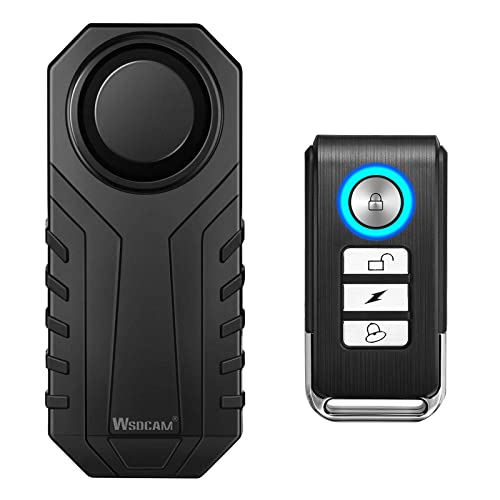
- Seven sensitivity and three volume settings
- 113dB alarm with 66-foot remote range
- Compact, IP55 waterproof design
Best For: Close-range touring and campsite bike monitoring
Best Rechargeable Touring Alarm

- USB-C rechargeable 700mAh battery
- Nylon bracket, strap, and adhesive mounting
- IP65 protection with 229-foot remote range
Best For: Longer tours needing flexible installation and charging
Best Compact Touring Alarm
Simple Vibration Alarm with Remote
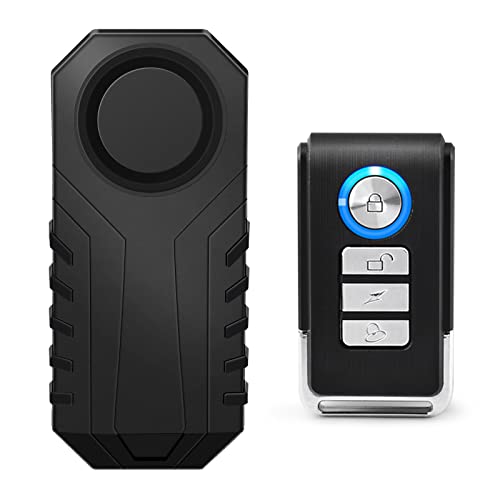
- Small, easy-to-hide housing
- 113dB alarm with seven sensitivity levels
- IP65 waterproof and tool-free to install
Best For: Minimalist touring setups and nearby bike stops
Best Long-Range Touring Alarm

- Two-way sound, vibration, and flashing alerts
- Up to 1,148-foot wireless range
- USB-C rechargeable host and remote
Best For: Remote monitoring at campsites and large parking areas
Best All-Weather Deterrent

- Adjustable volume and sensitivity
- 262-foot remote range
- IPX5 waterproof construction
Best For: Tourers seeking a loud, flexible alarm for variable weather
Best Long-Standby Option
WSDCAM Rechargeable Bike Alarm

- Type-C rechargeable 700mAh battery
- Up to 11 months of standby
- Fall detection and IP65 rating
Best For: Tourers wanting low-maintenance power and discreet installation
Best Customizable Setup

- Seven sensitivity levels
- 100-meter remote range
- One-to-three-month rechargeable runtime
Best For: Tourers needing flexible mounting and detailed alarm adjustment
Remote-Controlled Twin Pack

- Two alarms for bikes or touring gear
- Seven sensitivity levels and three volume settings
- IP55 waterproof with 66-foot remote range
Best For: Tourers needing affordable two-point coverage
Long-Range Touring Security

- 328-foot wireless remote range
- Optional SOS fall-alert function
- IP65 waterproof with adjustable sensitivity
Best For: Tourers wanting maximum remote range
Rechargeable Touring Choice
110dB USB-Rechargeable Bike Alarm

- USB-rechargeable battery with included cable
- Three installation methods for flexible mounting
- 260-foot remote range and IP65 waterproofing
Best For: Tourers avoiding disposable battery changes
Best Value Touring Alarm – Adjustable Wireless Bike Alarm
Wsdcam 113dB Bike Alarm Wireless Vibration Motion Sensor Waterproof Motorcycle Alarm with Remote
Check Price On AmazonFor riders comparing bike alarms for touring, this compact WSDCAM model offers adjustable vibration detection, a wireless remote, and weather-resistant construction without adding much weight. Its 66-foot range is suited to keeping watch over a bike at a nearby campsite, café, or parking area.
Best For: Tourers who want a lightweight, straightforward alarm for close-range bike monitoring.
Pros:
- Seven sensitivity levels help tailor detection to different parking environments.
- Three volume levels and a loud 113dB alarm provide flexible warning options.
- IP55 waterproofing and compatibility with bikes, e-bikes, motorcycles, and scooters support outdoor use.
- Vehicle-search function with three bell sounds can help locate a bike in a parking area.
Cons:
- The wireless range is limited to 66 feet.
- Uses the supplied wireless remote, so it is less feature-rich than newer two-way systems.
This is a practical choice when you need basic vibration protection and remote control while staying close to your bike. Its compact 113-gram design makes it especially suitable for touring setups where minimizing carried gear matters.
Best Rechargeable Touring Alarm – USB-C Bike Alarm with Bracket
This Cruxer alarm is a strong fit for bike alarms for touring when convenient charging and flexible mounting are priorities. It combines USB-C charging, a nylon seatpost bracket, adjustable detection, and a stated battery life of one to three months for daily use.
Best For: Touring cyclists who want a rechargeable alarm with sturdy, adaptable mounting options.
Pros:
- USB-C charging avoids disposable batteries and supports extended trips.
- Nylon bracket, strap, and adhesive mounting options accommodate different bike shapes.
- Seven sensitivity levels and three volume levels allow detailed adjustment.
- IP65 waterproofing and a claimed 229-foot remote range suit outdoor parking.
Cons:
- The product details list 100dB as the audible noise level, despite the title’s 110dB wording.
- A bracket-based installation may take more setup than a simple adhesive alarm.
The combination of rechargeable power and multiple mounting methods makes this a versatile touring companion. Its silicone-backed nylon bracket is also designed to reduce scratching and resist breakage and weathering.
Best Compact Touring Alarm – Simple Vibration Alarm with Remote
For riders seeking compact bike alarms for touring, the USUPERINK model provides remote-controlled vibration detection in a small housing. It supports seven sensitivity levels, three volume settings, IP65 waterproofing, and adhesive or strap installation without screws or wiring.
Best For: Tourers who want an easy-to-hide alarm for bikes, e-bikes, scooters, or motorcycles.
Pros:
- Compact 3.7-by-1.6-by-0.8-inch design is easy to conceal.
- Seven sensitivity levels help distinguish gentle contact from stronger movement.
- Three volume levels and a 113dB alarm provide adjustable deterrence.
- IP65 waterproofing and no-tool strap or adhesive installation suit outdoor stops.
Cons:
- The 66-foot remote range is more suitable for nearby monitoring than distant parking.
- The notes do not specify USB-C charging or battery runtime.
This alarm keeps installation simple and gear demands low, which can be valuable on a touring bicycle. The SOS emergency alarm and vehicle-search function add useful secondary features beyond basic tamper detection.
Best Long-Range Touring Alarm – Two-Way USB-C Bike Alarm
When touring takes you away from the bike, this WSDCAM two-way system stands out among bike alarms for touring. Its alarm host sounds at up to 120dB while the remote vibrates and flashes, and the stated wireless range reaches up to 1,148 feet across campsites, parking lots, or city blocks.
Best For: Tourers who need remote alerts while staying well away from a parked e-bike or bicycle.
Pros:
- Two-way alerts combine a loud host alarm with remote vibration and flashing.
- USB-C rechargeable host and remote eliminate disposable batteries.
- Up to 1,148 feet of wireless range supports broader parking-area coverage.
- Seven sensitivity levels, four volume levels, and IP65 protection offer flexible outdoor use.
Cons:
- The host must be switched on by holding its power button for at least three seconds after initial charging.
- The longer-range system may be more capability than necessary for close-range stops.
This is the most feature-rich option in the group for riders who may leave a bike at a campsite or across a large parking area. Its month-per-charge claims for both host and remote also support multi-day travel, while the search function helps locate a bike in a crowded rack.
Best All-Weather Deterrent – ROCKBROS 115dB Bike Alarm
For riders comparing bike alarms for touring, the ROCKBROS model offers a loud, adjustable warning system with remote control and vibration detection. Its IPX5 waterproof construction and broad compatibility make it practical for changing outdoor conditions.
Best For: Tourers who want a highly audible, weather-resistant alarm with adjustable sensitivity and volume.
Pros:
- Adjustable 83–115dB volume range, three sensitivity settings, and three alarm tones.
- Wireless remote control reaches up to 262 feet.
- IPX5 waterproof construction and tool-free installation for bikes, e-bikes, and motorcycles.
Cons:
- The notes do not specify rechargeable battery capacity or runtime.
- Its 115dB maximum may be excessive for riders seeking a quieter alert.
The ROCKBROS is a strong touring choice when maximum audible deterrence and long remote range matter most. Its flexible settings also help adapt the alarm to different parking environments.
Best Long-Standby Option – WSDCAM Rechargeable Bike Alarm
The WSDCAM is a practical pick among bike alarms for touring if you prefer rechargeable power and long standby capability. It combines seven sensitivity levels, fall detection, a compact design, and IP65 weather resistance for outdoor riding and parking.
Best For: Tourers who prioritize long standby time, discreet mounting, and fall-alert functionality.
Pros:
- 700mAh Type-C rechargeable battery supports up to three months of daily use and six to 11 months of standby.
- Seven sensitivity settings and intelligent fall detection add customization.
- IP65 waterproof housing, adhesive and strap mounting, and a compact form suit outdoor use.
Cons:
- The remote range is 66 feet, shorter than some alternatives.
- The notes do not specify the alarm’s exact adjustable decibel range.
With its extended standby claims and Type-C charging, the WSDCAM reduces battery-maintenance concerns on longer trips. Its fall alarm is an added benefit for riders carrying or parking bikes in busy touring environments.
Best Customizable Setup – Max 110dB Rechargeable Alarm
For bike alarms for touring, the Max 110dB model stands out for its seven sensitivity modes, rechargeable battery, and flexible mounting options. The included remote provides control from up to 100 meters, while the IP65 design is suited to outdoor conditions.
Best For: Tourers who want fine-grained sensitivity control, a long-range remote, and versatile installation.
Pros:
- Seven sensitivity levels and three volume settings allow detailed customization.
- 110dB alarm, vehicle-locator tones, and remote control range up to 100 meters.
- 700mAh rechargeable battery lasts one to three months per charge and supports low-battery alerts.
- Mounts with brackets, zip ties, or adhesive tape and is IP65 weather-resistant.
Cons:
- Charging takes about three hours.
- The stated one-to-three-month battery range varies considerably with use.
This model is a versatile touring alarm for riders who expect different parking conditions and want to tune sensitivity accordingly. Its multiple mounting methods and rechargeable design make it convenient for bikes, e-bikes, scooters, and motorcycles.
Remote-Controlled Twin Pack – Adjustable 113dB Bike Alarm
For riders comparing bike alarms for touring, this two-pack offers a flexible way to protect a bicycle and trailer, luggage, or a second bike. Its adjustable sensitivity and volume help you balance deterrence with campsite and parking-area practicality.
Best For: Touring riders who want two alarms, remote operation, and broad compatibility.
Pros:
- Two alarms are included for multi-bike or gear coverage.
- Adjustable sensitivity has seven levels, from gentle touch to pushing or beating.
- Up to 113dB output, three volume settings, and a wireless range of up to 66 feet.
- IP55 waterproofing and installation with adhesive or a strap suit outdoor use.
Cons:
- The listed remote range is shorter than some other options in this roundup.
- It uses a supplied installation approach but does not list USB rechargeability.
This is a practical value pick when a touring setup needs two straightforward, vibration-triggered alarms. The main trade-off is the more limited remote range compared with the newer long-range model.
Long-Range Touring Security – 113dB Alarm 2-Pack with SOS
Among bike alarms for touring, this two-pack stands out for its 328-foot remote range and outdoor-focused IP65 rating. It also adds an optional SOS function, making it suited to riders who want remote vehicle finding and extra motion-alert features.
Best For: Touring cyclists who prioritize long-range remote control and multi-purpose outdoor use.
Pros:
- Remote range reaches up to 328 feet for locating or controlling a parked vehicle.
- Up to 113dB alarm with three volume levels and seven sensitivity levels.
- IP65 waterproofing supports outdoor use, while adhesive and strap mounting simplify installation.
- Optional SOS function can automatically call for help after a detected fall.
Cons:
- The SOS feature may be unnecessary for riders seeking only theft protection.
- The supplied notes do not identify a rechargeable battery system.
Its long remote range is the key advantage for larger campsites, parking lots, and touring stops. Choose it over the shorter-range twin pack if remote access distance and the optional SOS mode matter most.
Rechargeable Touring Choice – 110dB USB-Rechargeable Bike Alarm
For touring riders who want to avoid carrying replacement batteries, this USB-rechargeable alarm combines a built-in lithium battery with flexible mounting. It delivers up to 110dB, offers adjustable sensitivity, and can run for about one to three months depending on alarm frequency.
Best For: Bicycle and e-bike tourers who prefer rechargeable power and versatile installation.
Pros:
- Built-in 700mAh lithium battery charges through the included USB-C cable.
- A full charge takes about three hours and can last approximately one to three months, depending on use.
- Three mounting options include a bracket, cable ties, and double-sided tape.
- Up to 110dB output, seven sensitivity levels, IP65 waterproofing, and a remote range up to 260 feet.
Cons:
- It is a single alarm rather than a two-pack.
- Its maximum volume is slightly lower than the 113dB models.
- Battery life varies with alarm frequency, so frequent alerts may require more charging.
This is the most convenient option for extended touring because charging replaces routine battery changes. Its bracket and included mounting accessories also make it easier to reposition the alarm between bikes or mounting surfaces.
How We Picked the Best Bike Alarms for Touring
We focused on features that matter when a bicycle is left unattended away from home. Each selected alarm offers wireless operation and remote control, while the group includes rechargeable models, high-volume sirens, vibration or motion sensing, and water-resistant designs. We also considered mounting practicality, sensitivity controls, included brackets, multi-pack value, and compatibility with standard bicycles and e-bikes.
Decibel ratings are useful for comparison, but they do not tell the whole story. Alarm placement, battery condition, surrounding noise, and the distance between the alarm and remote can affect real-world performance.
Quick Comparison
| Feature | What to look for | Why it matters |
|---|---|---|
| Siren volume | About 110dB or higher | Helps attract attention and discourage tampering |
| Power | USB or USB-C rechargeable battery | Reduces the need for disposable batteries on longer trips |
| Sensing | Adjustable vibration or motion detection | Limits false alarms while detecting movement |
| Weather resistance | Water-resistant housing, such as IP65-rated designs | Provides more confidence in changing weather |
| Control | Remote arming, disarming, and sensitivity adjustment | Makes operation easier when the alarm is mounted out of reach |
Key Buying Factors for Bike Alarms for Touring
Sound and Detection Behavior
A loud alarm is most useful when it activates quickly and remains noticeable in a busy environment. Adjustable sensitivity is particularly valuable on tour because a highly sensitive setting may react to wind, passing footsteps, or accidental contact, while a lower setting may miss lighter tampering.
Battery Life and Charging
Rechargeable USB-C models are convenient if you already carry a power bank, but check charging time and expected standby life before a multi-day trip. Keep the alarm charged before departure and consider carrying a short cable that works with your other devices.
Mounting and Weather Protection
Choose an alarm that can be secured firmly to the frame, seatpost, rack, or another concealed location. A loose mount can create false triggers and may be easier to remove. Water resistance helps with rain, but it does not necessarily mean the device is designed for prolonged submersion.
Remote Range and Controls
Remote operation is useful when you want to arm the bike after locking it or disarm it without disturbing the alarm. Confirm that the remote includes the functions you need, such as panic activation, sensitivity adjustment, or two-way status feedback.
Who Should Buy Which Bike Alarms for Touring?
Choose a basic 110dB to 113dB rechargeable alarm if you want affordable additional security for routine stops. A model with multiple sensitivity levels is a better fit for riders who frequently switch between quiet campsites and busy urban areas. Two-way or higher-volume alarms suit travelers who want stronger status feedback or extra attention during an attempted theft.
A two-pack makes sense for touring couples, multiple bikes, or riders who want one alarm on the bicycle and another on a trailer or accessory. For frequent wet-weather travel, prioritize a clearly stated water-resistance rating and a secure mounting system. No alarm replaces a quality lock: use the alarm as a visible or audible deterrent alongside a strong lock secured to an immovable object.