The best rear helmet lights make you easier to see from behind without adding much weight or distracting from the ride. This roundup compares smart motorcycle lights, integrated LED helmets, magnetic accessories, and rechargeable warning lamps.
Use the buying guide below to match brightness, mounting style, brake detection, weather resistance, and charging convenience to your riding habits.
Best 10 Rear Helmet Lights Picks for 2026
Smart Brake Visibility Pick

- 100 eye-level LEDs for high visibility
- Detects braking, downshifting, and engine braking
- Wireless mounting with fast USB-C charging
Best For: Riders wanting automatic brake signaling without wiring
Integrated Helmet Pick

- Snaps into a compatible fit-system wheel
- 30-lumen flash and 20-lumen solid modes
- IP65 water and grit resistance
Best For: Compatible Giro helmet users seeking a low-profile light
Magnetic Mount Pick
Thousand Heritage 2.0 Helmet Light

- Magnetic mounting for quick attachment
- Three light modes with 40-lumen output
- USB-C charging and IP54 protection
Best For: Heritage 2.0 helmet owners wanting a simple removable light
Universal Budget Pick
Trailstrike TS-101-A Rear Helmet Light

- Fits all helmet brands and models
- Three modes with one-button control
- Up to 8 hours from a rechargeable battery
Best For: Riders wanting simple universal rear visibility
Best for Easy Setup

- G-sensor activates bright red brake mode
- USB-C rechargeable with up to 18-hour runtime
- Wireless adhesive installation with multiple light modes
Best For: Riders wanting automatic brake signaling and long runtime
Simple Weatherproof Safety

- IPX6 water-resistant ABS shell
- Multiple steady and flashing modes
- Lightweight design with USB charging and Velcro
Best For: Cyclists and riders needing a simple red safety light
Premium Smart Braking

- 100 LEDs for high-mounted rear visibility
- Detects braking, downshifting, and engine braking
- USB-C charging and universal/XL mounts included
Best For: Motorcyclists prioritizing smart braking detection and visibility
Two-Light Value Set
Tujoe Motorcycle Helmet Lights
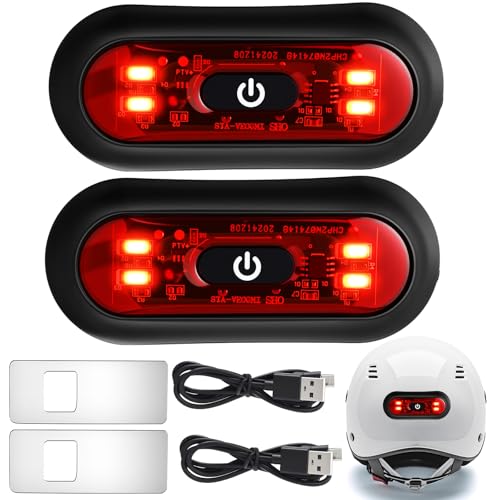
- Two rechargeable lights with USB cables and adhesive tapes
- Three modes for steady or flashing visibility
- Claimed 8–10-hour runtime after a two-hour charge
Best For: Riders needing two lights or a spare
Lightweight All-Weather Pick
Motorcycle Bike Helmet Tail Light

- Four bright red LEDs with three lighting modes
- IPX6 waterproof and tool-free Velcro mounting
- About 0.6 ounces with claimed 8–10-hour runtime
Best For: Riders wanting a compact removable light
High-Output Long-Run Choice
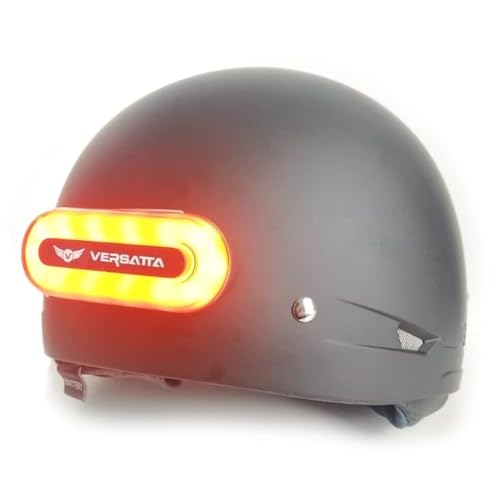
- 14 LEDs with stated 700-lux output and four modes
- 650mAh battery claims up to 12 hours of runtime
- IPX6 design with adhesive and extra Velcro mounting
Best For: Frequent riders prioritizing brightness and runtime
Smart Brake Visibility Pick – Brake Free Helmet Light
For riders looking for advanced rear helmet lights, the Brake Free Helmet Light combines 100 eye-level LEDs with wireless smart brake detection. Its sensors can recognize braking, downshifting, and engine braking without wiring or an app.
Best For: Motorcycle riders who want a high-mounted, self-contained brake light with automatic deceleration detection.
Pros:
- Uses 100 ultra-bright LEDs to improve visibility from behind.
- Detects multiple types of deceleration without connecting to the motorcycle.
- Includes universal and XL mounts for helmet installation.
- USB-C charging reaches full power in about 1.5 hours.
Cons:
- Provides one lighting setting.
- Requires charging rather than using a replaceable battery.
This is a feature-rich choice among rear helmet lights, particularly for riders who value automatic brake signaling and a clean, wireless installation.
Integrated Helmet Pick – Giro ROC Loc 5 LED
The Giro ROC Loc 5 LED is a compact option for rear helmet lights that installs directly into a compatible helmet fit-system wheel. Its elevated position, flashing mode, and IP65 weatherproofing support visibility in traffic and wet conditions.
Best For: Riders with a compatible Giro helmet fit system who prefer an integrated, low-profile light.
Pros:
- Snaps into the existing fit-system wheel without clips, straps, or adhesive.
- Mounts high on the head for improved visibility over street traffic.
- Offers a 30-lumen flash mode and a 20-lumen solid mode.
- IP65 protection resists water and grit.
Cons:
- Direct integration depends on a compatible helmet fit system.
- Solid mode runs for up to 2 hours.
Its seamless mounting makes this a tidy choice, but compatibility should be confirmed before purchase. The flash mode provides the longer stated runtime.
Magnetic Mount Pick – Thousand Heritage 2.0 Helmet Light
The Thousand Magnetic Helmet Light is a straightforward choice among rear helmet lights for Heritage 2.0 helmet owners. It uses magnetic mounting, offers three light modes, and reaches 40 lumens with USB-C rechargeable power.
Best For: Thousand Heritage 2.0 riders who want quick magnetic attachment and multiple lighting modes.
Pros:
- Magnetic mounting supports quick installation and removal.
- Provides three light modes for flexible use.
- Recharges through USB-C.
- IP54 protection helps resist water and dust.
Cons:
- It is specifically described for the Heritage 2.0 helmet.
- Its 40-lumen output is lower than the 100-LED Brake Free model.
This light is best suited to riders already using the matching Thousand helmet. Its magnetic design and three modes keep operation simple for everyday riding.
Universal Budget Pick – Trailstrike TS-101-A Rear Helmet Light
The Trailstrike TS-101-A is a versatile option for rear helmet lights, with universal helmet compatibility, three operating modes, and a rechargeable battery. Its red LED, Velcro mounting, and waterproof design are intended for motorcycle and bicycle night riding.
Best For: Riders seeking an affordable universal rear light with simple controls and rechargeable operation.
Pros:
- Designed to fit all helmet brands and models.
- Offers always-on, flash, and warning modes.
- USB rechargeable battery provides up to 8 hours of power after a 2-hour charge.
- Includes a USB cable and two Velcro pieces for installation.
Cons:
- Uses sticky mounting and Velcro rather than an integrated helmet fit system.
- The supplied notes do not state a lumen rating.
With broad compatibility and a simple one-button switch, the Trailstrike is a practical choice when you need basic red rear visibility across different helmets.
Best for Easy Setup – H2 Motorcycle Helmet Light
For riders seeking rear helmet lights with automatic braking visibility, the H2 combines a low-profile design with a built-in G-sensor. It switches to bright red LEDs when it detects that your movement has stopped, while steady, pulse, and flash modes support general nighttime visibility.
Best For: Motorcycle riders who want a rechargeable, wireless helmet light with motion-activated brake signaling.
Pros:
- G-sensor activates a bright red braking display when stopping is detected.
- USB-C charging provides up to 18 hours of runtime.
- Wireless installation uses removable adhesive without wiring or ECU connections.
- Multiple steady, pulse, and flash modes improve low-light visibility.
Cons:
- The braking feature depends on the G-sensor detecting your movement correctly.
- Adhesive mounting may require careful surface preparation.
The H2 is a practical choice if automatic brake signaling and long rechargeable runtime matter more to you than a wide range of advanced controls.
Simple Weatherproof Safety – LED Helmet Rear Light
This compact option is among the more straightforward rear helmet lights for cycling, motorcycle riding, and other outdoor activities. Its red LED output includes several flashing patterns, while the included USB charging cable and extra Velcro support convenient everyday use.
Best For: Cyclists and riders who want a lightweight, easy-to-mount red safety light for low-light outings.
Pros:
- IPX6-rated water resistance helps protect against rain and water splashes.
- Lightweight ABS construction weighs approximately 5.7 grams.
- Multiple modes include steady, intermittent, and side-to-side blinking.
- Can mount to a helmet or serve as a bicycle or motorcycle tail light.
Cons:
- The supplied notes do not specify the exact battery runtime.
- Its adhesive/Velcro mounting is less integrated than a dedicated helmet-mount system.
Choose this model for a lightweight, budget-minded visibility light with useful water resistance and flexible mounting, rather than sensor-driven brake detection.
Premium Smart Braking – Brake Free Helmet Light
The Brake Free stands out among rear helmet lights with 100 ultra-bright LEDs and a sensor system designed to recognize braking, downshifting, and engine braking. Its self-contained helmet mount avoids wiring and apps, while USB-C charging and weather resistance suit regular commuting, touring, and riding in changing conditions.
Best For: Motorcyclists who want a high-visibility helmet-mounted brake light with broad deceleration detection.
Pros:
- Uses 100 LEDs positioned at eye level to increase rear visibility.
- Smart sensors detect multiple types of deceleration, including engine braking.
- USB-C charging reaches full power in approximately 1.5 hours.
- Includes universal and XL mounts plus weather-resistant construction.
Cons:
- It is a dedicated motorcycle product rather than a general-purpose cycling light.
- The supplied information does not state the battery runtime between charges.
- Its larger feature set may be more than casual riders need.
With its extensive LED array, fast charging, and broader smart-braking detection, the Brake Free is the strongest fit for riders prioritizing conspicuity and automated deceleration signaling.
Two-Light Value Set – Tujoe Motorcycle Helmet Lights
If you need rear helmet lights for more than one helmet—or want a spare for replacement—the Tujoe two-pack offers a practical setup. Each rechargeable light has three modes, adhesive mounting, and a claimed 8–10-hour runtime after a two-hour charge.
Best For: Riders who want two versatile, rechargeable rear helmet lights for cycling, motorcycling, or backup use.
Pros:
- Includes two lights, USB cables, and adhesive tapes.
- Three lighting modes: constant, flashing, and left-right strobe.
- Waterproof ABS housing is designed for rainy or snowy conditions.
- Rechargeable battery claims 8–10 hours of continuous use.
Cons:
- Uses adhesive tape, so placement may be less convenient to reposition than a removable strap mount.
- The notes do not specify a formal waterproof rating.
The Tujoe set stands out for quantity and flexibility. It is a sensible choice when you need a pair of rear helmet lights or appreciate having a ready replacement, provided adhesive mounting suits your helmet.
Lightweight All-Weather Pick – Motorcycle Bike Helmet Tail Light
For riders prioritizing a compact, low-weight option, this rear helmet light combines four bright red LEDs with three flash patterns. Its Velcro installation, IPX6 waterproof rating, and claimed 8–10-hour runtime make it suitable for regular night riding in changing weather.
Best For: Cyclists and motorcyclists seeking a lightweight, removable rear helmet light with simple controls.
Pros:
- Weighs about 0.6 ounces and has a compact design.
- Offers steady, slow-flash, and fast-flash modes.
- IPX6 waterproof ABS construction is intended for rainy conditions.
- Velcro mounting allows tool-free installation and removal.
Cons:
- Only one light is included.
- Its 200mAh battery has a shorter stated capacity than some alternatives in this roundup.
This model is a straightforward pick when low weight and removable mounting matter most. The IPX6 rating adds useful weather protection, while the three modes cover common visibility needs without unnecessary complexity.
High-Output Long-Run Choice – VERSATTA LED Helmet Light
The VERSATTA is a strong candidate among rear helmet lights for riders who want higher stated output and longer runtime. It uses 14 LED beads, offers four modes, and includes a 650mAh battery with Type-C charging for up to 12 hours of claimed use.
Best For: Frequent cyclists and motorcyclists who want extended runtime, multiple modes, and broad helmet compatibility.
Pros:
- Upgraded 14-LED design with a stated 700-lux output.
- Four lighting modes provide added visibility flexibility.
- 650mAh rechargeable battery claims up to 12 hours of runtime.
- IPX6 protection, curved ABS housing, adhesive, and extra Velcro support varied mounting needs.
Cons:
- At 2.89 ounces, it is heavier than the compact 0.6-ounce option in this roundup.
- Charging for at least two hours before use is recommended.
Choose the VERSATTA if runtime and stated brightness are more important than minimizing weight. Its curved housing and dual mounting approach make it adaptable across helmets, backpacks, bicycles, and motorcycles.
How We Picked These Rear Helmet Lights
We focused on the features that matter most when a helmet light is used in real traffic: rear-facing visibility, dependable attachment, useful lighting modes, charging or battery practicality, and compatibility with common motorcycle and bicycle helmets. The selection includes premium smart lights such as the Brake Free model, integrated options such as the Giro ROC Loc 5 LED, magnetic helmet accessories, rechargeable USB and USB-C lights, and simple multi-pack warning lamps.
We also considered whether each design is best suited to commuting, group rides, touring, cycling, or occasional night use. A brighter light is not automatically better if it is difficult to mount, poorly balanced, or inconvenient to recharge.
Quick Comparison
| Type | Best For | What to Look For |
|---|---|---|
| Smart brake-sensing light | Motorcyclists and frequent riders | Motion or brake detection, wireless setup, weather resistance |
| Integrated LED helmet | Simple everyday visibility | Helmet fit, LED placement, certification, battery access |
| Magnetic accessory | Compatible premium helmets | Magnet strength, model compatibility, removal convenience |
| Rechargeable rear lamp | Cyclists and budget-conscious riders | USB or USB-C charging, runtime, flash modes, secure mounting |
| Multi-pack or basic warning light | Backup use or multiple helmets | Value, weather protection, switch durability, included hardware |
Key Buying Factors for Rear Helmet Lights
Visibility and Light Patterns
Choose a lamp with a clear red rear beam and more than one mode, such as steady and flashing. Wide-angle visibility can be especially useful at intersections, where vehicles may approach from slightly off-center. Avoid relying on a helmet light alone; combine it with required motorcycle or bicycle lighting.
Brake Detection and Sensors
Smart models with an accelerometer or G-sensor can make braking more noticeable without requiring a wired connection. Check how the sensor is calibrated and whether false triggers are likely. These features generally cost more but can be valuable for regular motorcycle riding.
Mounting and Helmet Compatibility
Confirm that the light fits your helmet shape, vents, rear profile, or accessory interface. Magnetic systems are convenient but must hold securely at speed. Strap, adhesive, and clip mounts can be more universal, though they may need occasional tightening or replacement.
Power, Durability, and Weight
Rechargeable lights reduce disposable-battery waste, while USB-C charging is convenient if it matches your existing cables. Check claimed runtime against your typical ride length. Weather resistance, a sealed charging port, low weight, and an aerodynamic profile matter when riding in rain or at highway speeds.
Who Should Buy Which Rear Helmet Lights?
- Frequent motorcyclists: Choose a smart brake-sensing or wireless model with strong weather protection and a secure aerodynamic mount.
- Daily bicycle commuters: A rechargeable rear lamp with multiple modes and USB-C charging offers a practical balance of visibility and convenience.
- Riders wanting the simplest setup: An integrated LED helmet or compatible magnetic light avoids complicated straps and wiring.
- Occasional night riders: A compact budget light or multi-pack can provide useful backup visibility without a large investment.
- Touring and long-distance riders: Prioritize runtime, charging flexibility, low weight, and a mount that will not shift during extended use.
Before buying, verify helmet compatibility, charging requirements, and local lighting rules. The right rear helmet light should stay firmly attached, remain visible in poor conditions, and be easy enough to use that you will remember to charge it before every ride.